


Edited by Hwang Hong Sun
Translated by Kim Hoyeun
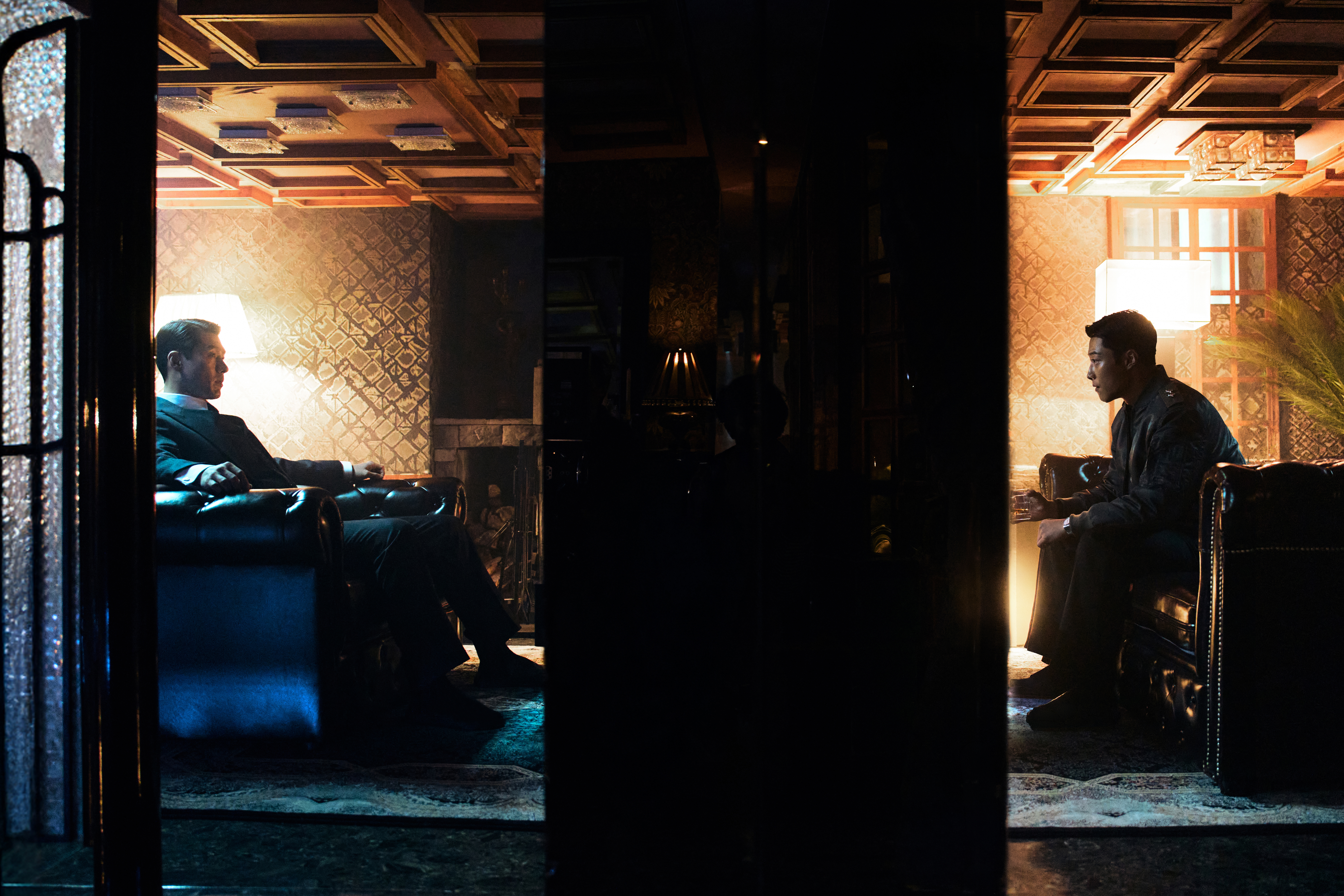
Even under the relentless pursuit and pressure of prosecutor Jang Geon Young (played by Jung Woo Sung), Baek Gi Tae (Hyun Bin) ultimately rode the tide of history to victory. He rose to become the de facto head of the Korean Central Intelligence Agency, the very heart of state power, and succeeded in claiming nearly everything his ambition had been driving toward. But as the old saying goes, no power lasts forever. Can Baek Gi Tae’s hunger for control, once seemingly powerful enough to swallow the world whole, survive unchanged in a new political era? Disney Plus original series Made in Korea Season 2 opens by taking a man who ended the first season as a near-perfect victor and turning his world upside down all over again.
The distinctive appeal of Made in Korea has always come from the way it inserts the fictional Baek Gi Tae into decisive moments from modern Korean history and reconstructs them around him. In that sense, the series could almost be described as a multiverse of modern Korean history. If Season 1 traced the beginning of the Yushin system and the rise of authoritarian rule, Season 2 turns toward another defining rupture: the December 12th military coup, an episode that recently drew renewed public attention and outrage through the film 12.12: The Day. That shift in period dramatically changes the balance of power surrounding Baek Gi Tae. The KCIA that dominated Season 1 no longer holds the same position in either the historical reality or the drama’s fictionalized version of it. Season 2 instead centers on a life-or-death confrontation between the agency, whose influence is rapidly collapsing, and the emerging military faction that begins consolidating absolute power in the wake of December 12th. Caught directly between those two forces are brothers Baek Gi Tae and Baek Gi Hyeon (Woo Do Hwan). They were once brothers who depended on each other. Now, having made fundamentally different choices, they find themselves on opposite sides of another tragic confrontation.
The series once again lives up to its title with a cast that could hardly feel more “made in Korea.” At the center is Hyun Bin, whose Baek Gi Tae carries even greater weight than he did in the first season. This is a more seasoned version of the character, with ambitions that have grown along with his power. The central question is no longer whether he can reach the top, but what decisions and political schemes he will resort to when confronted by a rival force powerful enough to genuinely threaten everything he has built.
Woo Do Hwan’s presence as Baek Gi Hyeon has also expanded considerably. In Season 1, Gi Hyeon maintained an unstable balance with his brother while protecting his own future and ambitions. But whereas the first season largely framed its institutional conflict around the KCIA and the prosecution, Season 2 raises the stakes by pitting the intelligence agency against the emerging military establishment itself. That makes the conflict between the two brothers far more brutal and far more tragic. From the perspective of a political power struggle, neither side can afford to give ground. Each has effectively become an enemy the other must eliminate. Yet they remain brothers by blood, making that final act of destruction emotionally almost impossible. Woo is particularly effective at navigating that contradiction, giving shape to a character who knows what the logic of power demands of him while remaining incapable of fully cutting away his personal attachment. His uneasy expression from the opening episodes alone hints that the road ahead will be anything but stable.
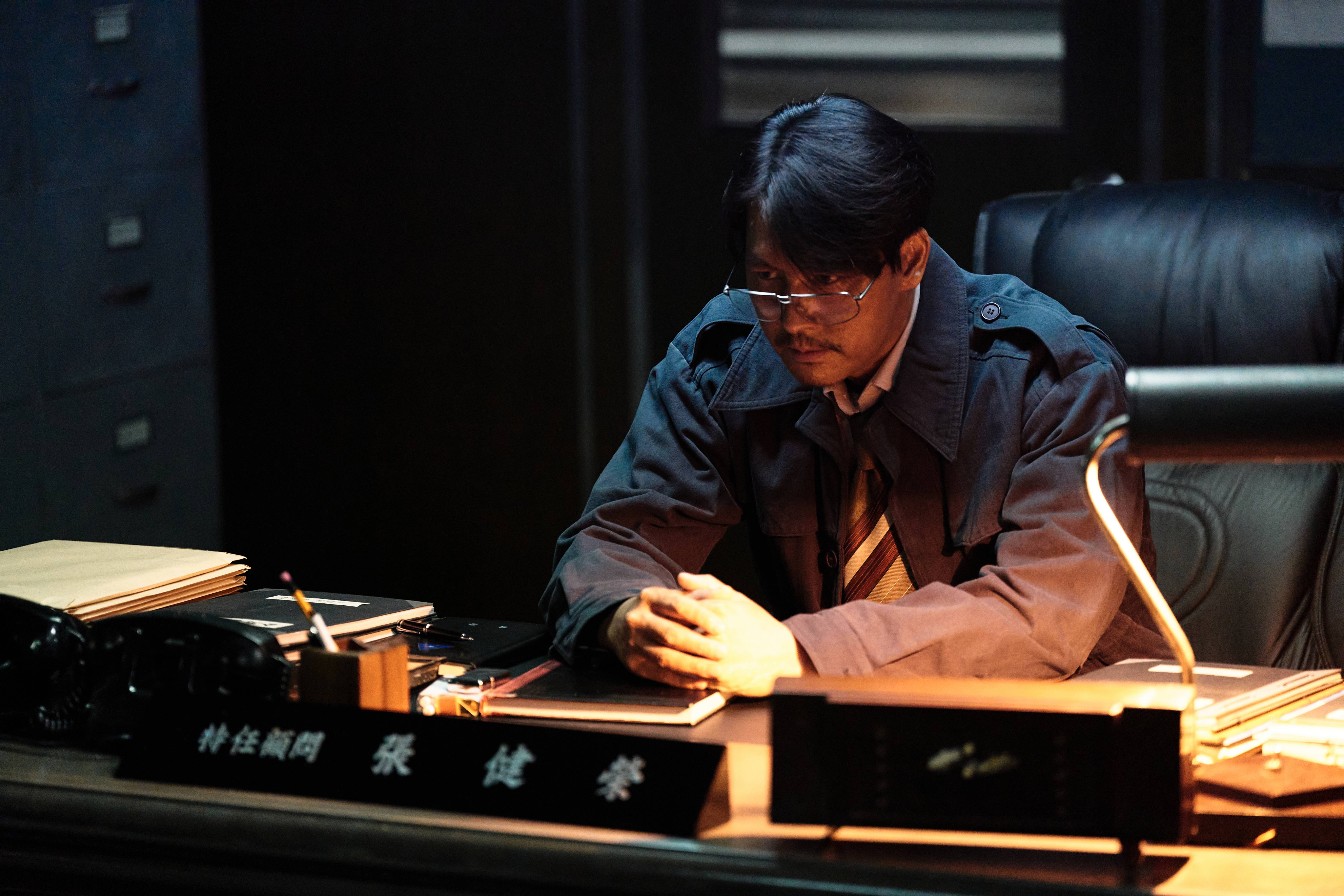
Jung Woo Sung’s return as Jang Geon Young gives the season another jolt of energy. In Season 1, Jang staked everything on bringing Baek Gi Tae down, only to fall into his opponent’s carefully constructed trap and lose both his position and his reputation. By the time he returns, personal safety and professional honor appear to matter far less. What remains is something purer and more dangerous: his obsession with destroying Baek Gi Tae. That burning need for revenge becomes one of the season’s strongest sources of tension.
Director Woo Min Ho, who has repeatedly explored the darker corners of modern Korean history and the mechanics of political power through films including Inside Men, The Drug King and The Man Standing Next, is once again operating firmly within his territory. If anything, his approach feels even more concentrated here. There is a joking criticism in some corners that Made in Korea resembles “The Man Standing Next trying to become The Drug King,” and there is some truth behind the comparison. Season 2 heightens the sense of deja vu from Woo’s earlier work, but it also captures this chapter of modern Korean history with the same cold, persistent gaze that has long defined his political thrillers. The names of the characters may have been changed from those of the real historical figures, but viewers are rarely in doubt about what events are being depicted or whom the blade of the story is pointed toward. Through Baek Gi Tae’s perspective, the audience is forced to watch the era’s tragedies unfold with a bitter sense of inevitability. At the same time, the series traces the dark shadow spreading across modern Korean history as relentlessly as Baek’s own ambition consumes everything around him. The subject matter itself leaves viewers with a sense of defeat and pain, but the series’ greatest strength — and its bitter aftertaste — lies in how smoothly it channels that history into a tightly crafted crime thriller that keeps you completely absorbed.
Season 2, however, faces a different dramatic problem from its predecessor. In Season 1, viewers familiar with history could already anticipate that the KCIA would emerge on top. This time, that certainty disappears. If the show were to follow actual history to its logical conclusion, Baek Gi Tae, as a central figure within the KCIA, should be headed toward a miserable end by the time the story is over. How will Woo Min Ho combine fictional elements with a chapter of history whose outcome has already been decided, and reshape it into an engaging story? That is what makes the ending feel more unpredictable than ever. Of course, the unfortunate part is that no matter who wins, there is no future waiting for them. (8/10)
Editor Hwang Hong Sun: A Korean movie buff who wishes that the warm messages in good works will warm up this world at least by one degree Fahrenheit.
>> Hyun Bin, Jung Woo Sung and Woo Do Hwan Reunite for Striking ‘Made in Korea 2’ Photo Shoot
In the meantime, watch trending K-dramas for free on Amasian TV.