



Written by Hwang Hong Sun
Translated by Eungee Joh

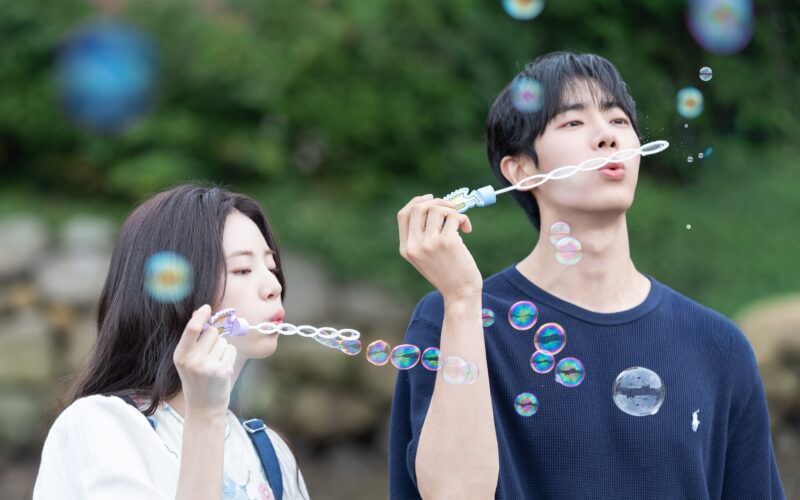
Seo Yoon (played by Shin Sia) suffers from anterograde amnesia, waking each morning unable to remember anything from the day before. At her side is Jae Won (Choo Young Woo), a young man determined to give her a fresh beginning—and new happiness—every single day. Though she must repeatedly treat him as a stranger, the two choose to live fully in the present, loving each other as if tomorrow may never come. The Korean remake of the global bestseller and hit Japanese film Even If This Love Disappears from the World Tonight is now in theaters, offering audiences both warmth and tears during the New Year season.
The announcement of a remake initially sparked both excitement and skepticism. The original Japanese film had rewritten box-office history for live-action cinema in Korea, drawing an impressive 1.21 million viewers. Yet the Korean adaptation proves to be far more than a simple retelling. Director Kim Hye Young—who won Best New Director at the 36th Blue Dragon Film Awards for It’s Okay!—quickens the narrative pace and replaces slower segments with scenes rich in Korean nostalgia. By adding original moments and emotional textures, she creates a version that feels deeper and more immersive.
Even viewers familiar with the ending may find this remake emotionally fresh. While the core story remains unchanged, subtle variations in tone and detail transform a predictable sadness into something more resonant and enduring. The film’s careful attention to small gestures and quiet moments allows familiar emotions to linger. The thoughtfully curated OST, particularly Ha Dong Qn’s “Exhaustion,” heightens the emotional weight and leaves audiences searching for the song as the credits roll.
The film’s strongest asset is the striking chemistry between Choo Young Woo and Shin Sia. Despite this being his first feature film, Choo brings a surprising maturity to Jae Won’s unwavering devotion. Shin Sia, meanwhile, delicately conveys the pain of repeated loss while preserving an image of innocence, earning her a convincing place as a new “first love” icon.
In the early and middle portions of the film, watching the two characters gradually fall in love and confirm their feelings brings a gentle smile to the audience. As the tone shifts, however, the strength of that initial innocence becomes clear. Because the early scenes are so tender, the emotional weight of the latter half feels even heavier, drawing viewers into a deep desire to protect the couple’s fragile love.

That said, the film is not without limitations. The amnesia-driven romance inevitably recalls similar films, and comparisons to the acclaimed Japanese original are difficult to avoid. Some viewers may also find the early dating scenes overly sentimental or slightly awkward.
Still, the film carries a paradoxical charm as “the hottest summer romance in the coldest winter.” Despite its familiar plot, the sincere direction and emphasis on first love and nostalgia ultimately move audiences to tears. Even this reviewer, having already seen the Japanese version, found the same emotional moments difficult to endure without a lump in the throat.
The line, “Don’t forget Kim Jae Won,” is especially haunting, encapsulating the film’s lingering emotional afterglow. As 2025 comes to a close, this remake offers viewers a tender opportunity to create unforgettable memories with those they love. (7/10)
Editor Hwang Hong Sun: A Korean movie buff who wishes that the warm messages in good works will warm up this world at least by one degree Fahrenheit.